
1. Vietnamese Tea Culture
The Origins of Vietnamese Tea Culture
Vietnamese tea culture has deep and longstanding roots. While it is difficult to determine exactly when this tradition began, ancient Vietnamese folktales already contain references to the traditional tea pot, reflecting the long-standing presence of tea in everyday life.
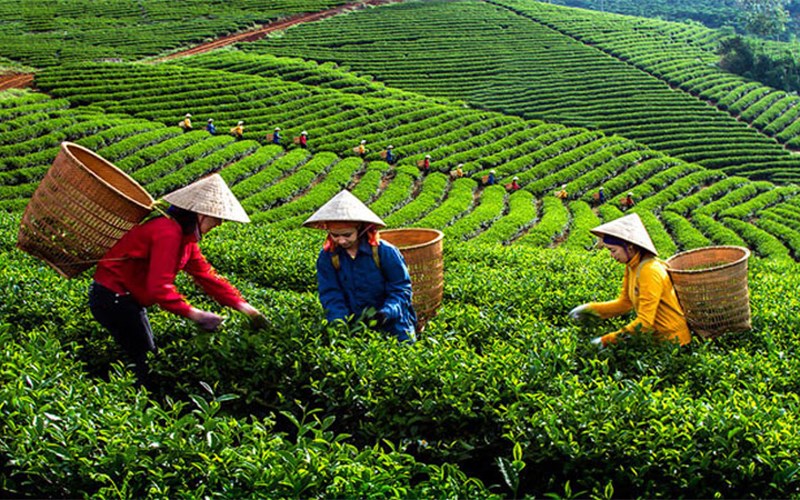
Today, in highland regions such as Nghĩa Lộ (Yên Bái), Pà Cò (Hòa Bình), Tà Xùa (Sơn La), and Cao Bồ (Hà Giang), tea growers continue to harvest young buds from ancient tea trees that can be up to 600 years old.

Vietnam’s Tea-Growing Regions
Vietnam is blessed with diverse landscapes, fertile soils, and favorable climates that create ideal conditions for growing tea with distinctive aromas and rich, characterful flavors.
Northwest Vietnam
The Northwest is considered one of the cradles of Vietnam’s finest tea varieties. Located in the highlands and blessed with a cool climate throughout much of the year, the region is home to vast tea-growing areas producing exceptional young buds with distinctive aromas and flavors that are difficult to replicate elsewhere.
Thai Nguyen
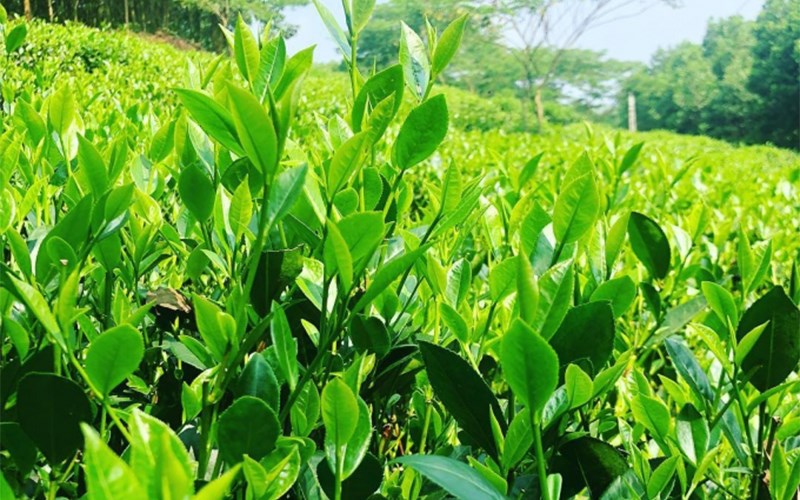
Widely regarded as one of northern Vietnam’s most important tea-growing regions, Thai Nguyen is renowned for its Tan Cuong tea. Its premium Nõn Tôm tea features small leaves and elegantly curled strands reminiscent of fishhooks, delivering a pronounced yet balanced astringency and a rich, full-bodied taste.

Bao Loc, Lam Dong
With its fertile basalt soil and mild, cool climate, Bao Loc provides ideal conditions for tea cultivation. Often regarded as Vietnam’s “tea capital,” Bao Loc is particularly known for its scented teas and distinctive oolong teas.
Hanoi
Although Hanoi is not primarily known as a tea-growing region, it has contributed unique and refined traditions to Vietnamese tea culture. Most notably, Hanoi is renowned for its elaborate yet delicate lotus-scented tea, traditionally associated with West Lake.

A Simple and Unpretentious Way of Enjoying Tea
Although Vietnamese tea culture has been influenced by China, it has developed its own distinctive character, different from both Chinese tea culture and the elaborate tea ceremony traditions of Japan.
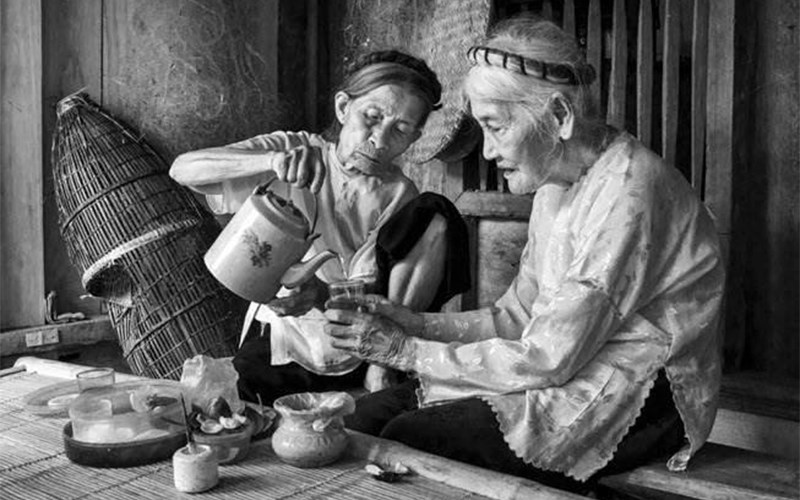
Vietnamese tea drinking is characterized by simplicity, warmth, and familiarity. A humble cup of tea serves as a way to bring together family members, friends, neighbors, and acquaintances, creating a space for connection and shared moments.
Tea can be found almost everywhere in Vietnamese daily life—from homes and small teahouses to workplaces and roadside gatherings. A refreshing glass of green tea beneath the shade of a veranda on a summer afternoon, or a warm cup of tea on a wooden table during the cold winter months, are familiar images of everyday Vietnamese life.
Vietnamese people often invite one another to share a cup of tea and sit down for a quiet conversation. Over tea, they may reflect on life, discuss current affairs, exchange stories, or simply take a moment to relax and enjoy each other’s company after a long day’s work.
Popular Types of Vietnamese Tea
Vietnam is home to three traditional and widely enjoyed forms of tea: fresh tea, dried tea, and scented tea.
Fresh Tea
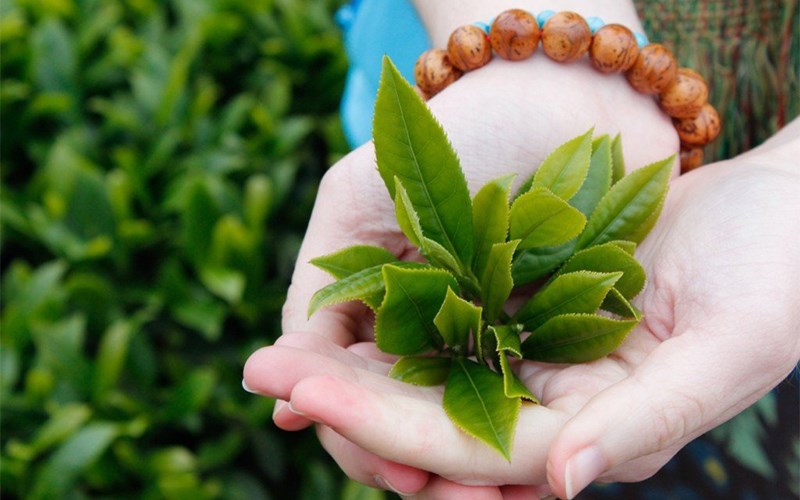
Fresh tea is made from newly harvested tea leaves and buds. The leaves are washed, infused in warm water, and enjoyed while fresh.
Dried Tea
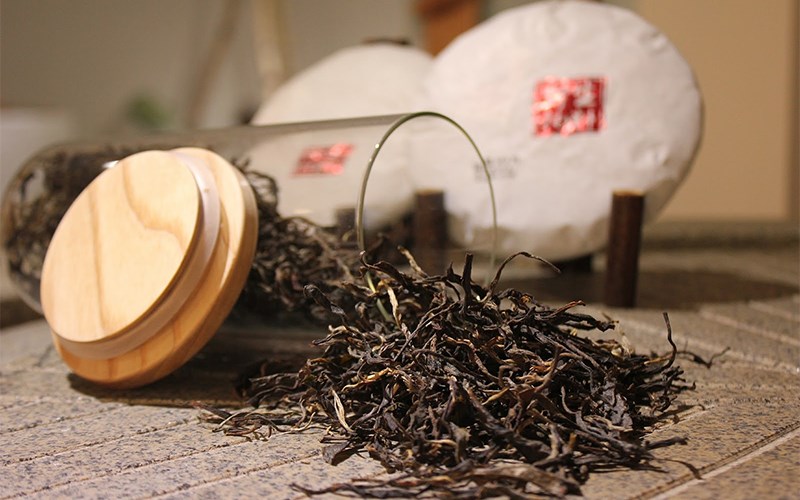
Freshly harvested tea buds are first withered and dried, then rolled and processed through roasting until they become dry and curled, developing the characteristic aroma and flavor of dried tea.
Scented Tea
Scented tea is one of Vietnam’s most distinctive tea traditions. Tea leaves are infused with the fragrance of various aromatic flowers native to Vietnam. The flowers are traditionally layered or blended with the tea before packaging, creating an elegant and naturally fragrant cup.
Among the most distinctive varieties are lotus tea, jasmine tea, five-flower tea, and frangipani-scented tea.

The Vietnamese Tea Tradition
Vietnamese tea culture is traditionally expressed through five essential elements, often referred to as Nhất Thủy, Nhì Trà, Tam Bôi, Tứ Bình, and Ngũ Quần Anh.
- Nhất Thủy – The Water: Water is considered the first and most important element in brewing tea. Traditionally, tea masters favored naturally collected rainwater, mountain spring water, or water drawn from deep wells. The water would be heated over charcoal until it reached the ideal temperature, carefully preserving the tea’s natural aroma and flavor.
- Nhì Trà – The Tea: The second element is the tea itself. Traditionally, tea was selected according to five qualities, known as the Ngũ Quý: sắc (appearance), thanh (clarity), khí (aroma and vitality), vị (taste), and thần (spirit or essence). Among these, thần represents the tea’s ability to captivate and connect with the person enjoying it, and is regarded as the most profound quality.
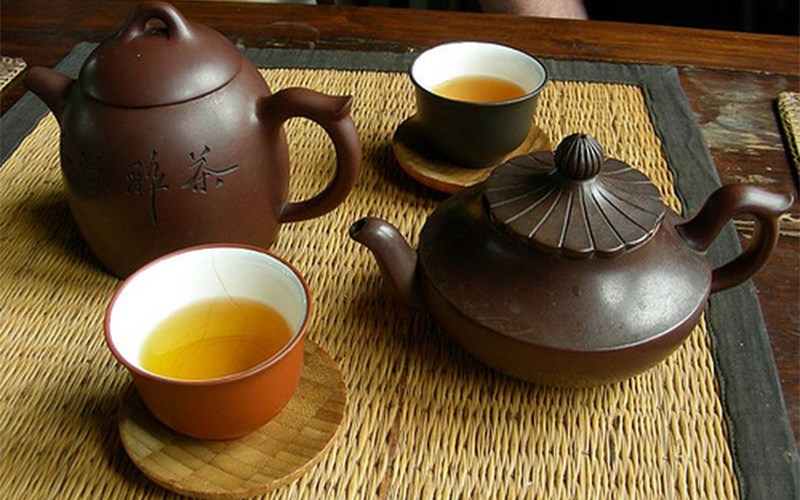
- Tam Bôi – The Cup: The third element is the tea cup. Traditional Vietnamese tea cups, such as hạt mít and mắt trâu cups, are commonly used for serving and appreciating tea. Before serving, the cups are rinsed with hot water to warm and cleanse them.
- Tứ Bình – The Teapot: The fourth element is the teapot. Different forms of teapots may be chosen depending on whether tea is enjoyed alone, with another person, or in a group. Before brewing, the tea leaves are traditionally rinsed briefly with hot water and the first infusion is discarded. This allows the leaves to open evenly and helps reveal their full aroma and flavor.
- Ngũ Quần Anh – The Tea Companions: The fifth element is the company of fellow tea drinkers. Traditionally, people would gather to enjoy tea together, engage in thoughtful conversation, and share the pleasure of tea. Tea thus becomes more than a beverage—it becomes a way of connecting people through conversation, culture, and companionship.
