
Brewing an exceptional pot of tea requires care, precision, and skill at every step—from selecting the finest fresh tea buds to mastering the brewing technique that brings out a fragrant, refreshing aroma and a smooth, balanced taste without excessive bitterness or astringency.
Serving and Appreciating Tea
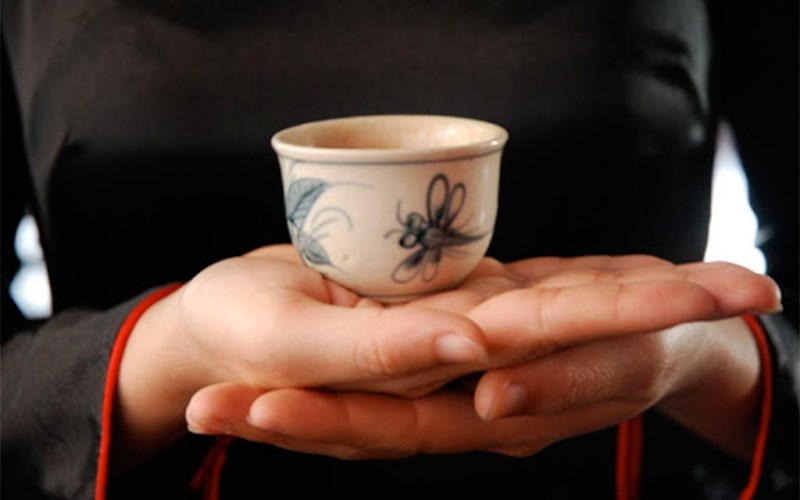
Tea should be served with grace and respect. Hold the base of the cup with the middle finger while supporting the rim with the thumb and index finger. This traditional gesture is known as “Tam Long Giá Ngọc”, symbolizing three dragons supporting a precious jade. Both the person serving the tea and the guest receiving it should respectfully bow to one another.
To fully appreciate tea, begin by feeling the gentle warmth of the cup in your palms. Bring the cup closer to your nose and take a moment to savor its delicate fragrance before taking small sips. Slowly savor each sip, allowing yourself to discover subtle layers of bitterness and astringency, followed by a clean, lingering sweetness at the back of the throat.
The Right Moment to Enjoy Tea
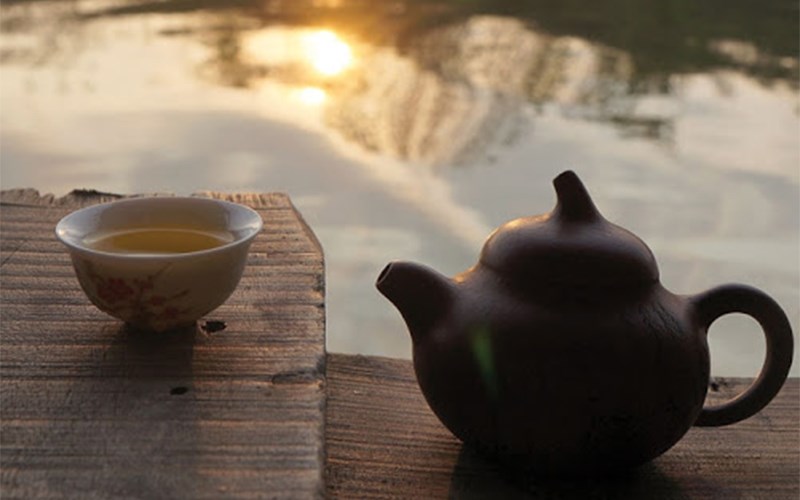
To fully appreciate the character of a fine tea, choose a moment when you can quiet your mind and enjoy a sense of peace, away from the distractions of everyday life.
When you truly give yourself time to enjoy tea, you may first notice a gentle astringency on the tip of the tongue, followed by a naturally sweet and lingering finish. Beyond its taste, tea offers a quiet moment to slow down, reflect, and restore a sense of inner calm.
Ways of Enjoying Tea
In Vietnamese tea culture, there are three traditional ways of enjoying tea: Độc Ẩm (drinking alone), Đối Ẩm (sharing tea between two people), and Quần Ẩm (enjoying tea in a group).
Each form reflects the distinctive character of Vietnamese tea culture, while also embodying its own traditions, standards of quality, and social meaning.
